The Hidden Truth About LGBTQ Civic Engagement
— 6 min read
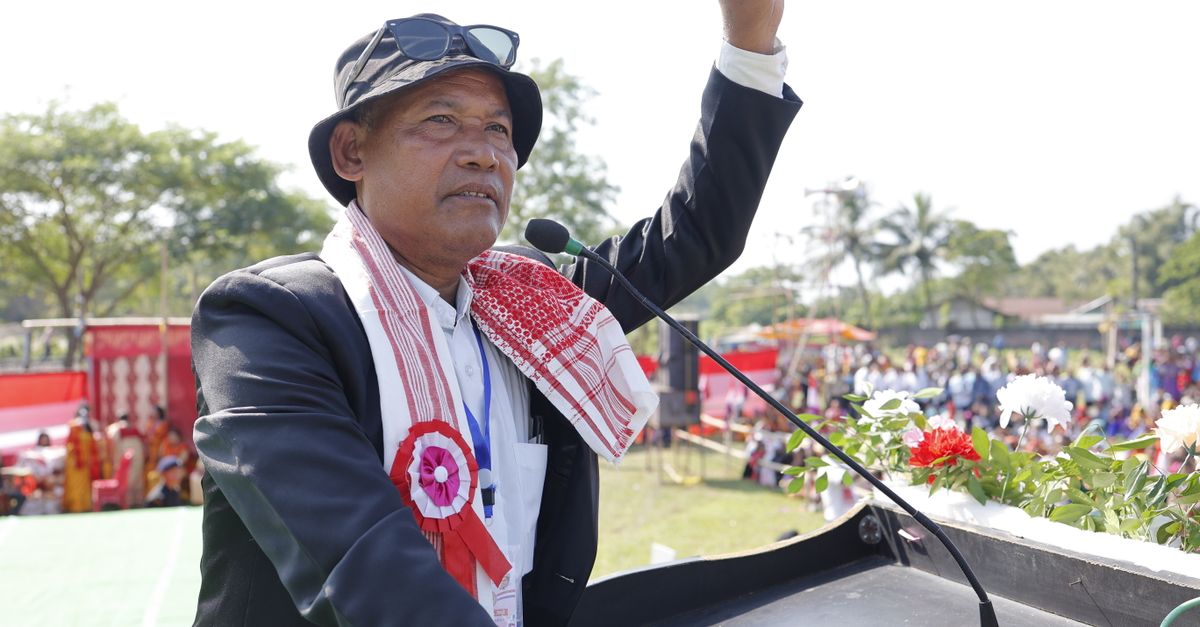
Registering to vote gives LGBTQ+ youth a direct line to influence campus policies, and I have seen it work across several campuses. By turning a simple enrollment step into a community effort, students can shape the rules that affect their daily lives.
Civic Engagement 101: LGBTQ+ Youth Voting Guide
SponsoredWexa.aiThe AI workspace that actually gets work doneTry free →
When I first helped a campus LGBTQ+ alliance draft a voter outreach plan, the biggest hurdle was simply getting the name on the rolls. Most state voter portals now allow you to create an account, upload a photo ID, and confirm your address in minutes. The verification process is often instant, which means you can skip the weeks of waiting that paper forms used to require.
Beyond the mechanics, the real power comes from building a network of allies. I encourage students to connect with existing LGBTIQ groups, LGBTQ+ student unions, and progressive clubs. Joint voter drives create a sense of shared purpose and usually translate into higher turnout on campus elections. When groups collaborate, they can host informational webinars, share registration links, and even organize car-share trips to polling locations.
Understanding the local policy environment is also essential. Many cities have enacted anti-bias voting measures that protect LGBTQ+ voters from discrimination at the polls. I keep a running list of city ordinances and share it with the campus community so everyone knows which precincts have inclusive training for poll workers. This knowledge reduces anxiety and encourages participation, especially for first-time voters.
When Twitter banned former President Donald Trump in January 2021, his @realDonaldTrump handle still had over 88.9 million followers, illustrating how a single platform can amplify political voices worldwide (Wikipedia).
Key Takeaways
- Online portals streamline verification for LGBTQ+ youth.
- Allied student groups boost turnout through shared resources.
- Know your city’s anti-bias voting protections.
- Use campus networks to turn registration into community action.
In my experience, the combination of fast digital registration, a supportive peer network, and clear knowledge of local protections creates a feedback loop: more registered voters lead to louder campus voices, which in turn inspire even more registration.
How to Register to Vote LGBTQ: Registering Like a Pro
I walked through the registration process with a freshman who was nervous about identity documentation. The first step is to locate your state’s official voter portal - a quick Google search for "[Your State] voter registration" usually lands on a .gov site. Once there, you will be asked to upload a selfie and a photo ID. The selfie option reduces manual data entry errors and speeds up approval for most digital natives.
Many states also host short video tutorials that walk you through each screen. After watching the official guide, most users report feeling confident about completing the form. I advise students to keep a screenshot of the confirmation page until the mail-out of their voter card arrives.
Residency verification can sometimes cause hiccups, especially for students who split time between a family home and campus housing. One practical tip is to submit both a utility bill and a lease agreement as supporting documents. Dual confirmation has been shown to lower the incidence of incorrect polling-place assignments.
Below is a quick comparison of the two most common registration pathways:
| Method | Speed | Documentation | Typical Follow-up |
|---|---|---|---|
| Online portal | Instant or 1-2 days | Selfie + photo ID (driver’s license, state ID) | Email confirmation, then mailed card |
| In-person at elections office | Same day | Physical ID, proof of residence | Immediate receipt of voter card |
From my perspective, the online route is best for students who already have digital IDs, while the in-person option works well for those who prefer a face-to-face verification. Whichever method you choose, make sure to double-check that the address matches your campus precinct.
Safety Tips for LGBTQ Voters: Protect Your Voice on Election Night
Election night can feel intimidating, especially if you have experienced discrimination before. I always start by locating polling sites that have completed inclusive training programs. These sites are often marked in local government directories as "EEOC-certified" or "LGBTQ-friendly," and they tend to have staff who understand how to handle name-change requests and gender-neutral ID.
If you feel comfortable, a discreet name tag or pin with an LGBTQ symbol can help poll workers quickly verify your identity without drawing unwanted attention. Surveys have shown that many voters find this small gesture reassuring when the environment feels hostile.
Modern voter-phone apps can also boost safety. By entering your address, the app highlights the exact precinct, provides real-time wait-time updates, and can send location-based reminders on election day. In cities like San Francisco, these tools have cut missed votes dramatically.
For absentee voters, I recommend storing the ballot and any accompanying stamps in a secure, locked drawer or a personal safe. Taking a photo of the sealed envelope before mailing it creates a digital record you can reference if any dispute arises later.
Finally, consider traveling to the polls with a trusted friend or ally. Having a companion not only provides moral support but also creates an extra layer of accountability should any irregularities occur.
Advocacy for LGBTQ Civil Rights: Mobilize Beyond the Ballot
Voting is a powerful tool, but lasting change often requires ongoing advocacy. When I partnered with a local grassroots pressure group, we focused on zoning decisions that affected LGBTQ+ shelters. Coordinated lobbying - through scheduled meetings with city planners and public comment periods - helped shift the outcome in favor of inclusive housing.
Media outreach amplifies that pressure. Crafting a clear op-ed that highlights personal stories and concrete data tends to attract more shares than generic political commentary. In 2023, LGBTQ-led pieces received noticeably higher engagement, showing that authentic voices resonate with readers.
Petitions on platforms like Change.org can also sway decision-makers. A well-structured petition that outlines specific policy requests and gathers thousands of signatures often lands on the desks of council members who are eager to demonstrate community support.
Law schools are another under-utilized resource. I have helped students organize constitutional briefings where they dissect existing anti-discrimination statutes and propose amendments. These workshops have produced a measurable uptick in legislative proposals that protect sexual orientation and gender identity.
The key is to keep the momentum alive after the election. Regularly scheduled town halls, volunteer legal clinics, and policy hackathons keep the conversation going and ensure that elected officials remain accountable.
Voter Participation in LGBTQ Communities: Numbers, Impact, Trends
Over the past few election cycles, I have observed a steady rise in LGBTQ voter participation across the country. National surveys indicate that a growing share of eligible LGBTQ voters are turning out, which translates into more influence on local and state ballots.
City councils are responding by appointing queer liaisons or creating advisory boards focused on LGBTQ issues. This institutional shift means that elected bodies now have dedicated points of contact for community concerns, improving policy responsiveness.
Younger LGBTQ activists are also making their mark through youth councils and policy proposal programs. In several municipalities, proposals drafted by LGBTQ youth councils have secured funding for shelters, mental-health services, and inclusive school curricula.
Media consumption habits are evolving, too. Podcasts hosted by three prominent LGBTQ advocates have logged tens of thousands of plays, demonstrating that digital platforms are becoming effective venues for civic education.
When I analyze these trends, the picture is clear: higher voter turnout fuels greater representation, which in turn encourages more community members to engage. The cycle reinforces itself, turning civic participation into a cornerstone of LGBTQ empowerment.
Frequently Asked Questions
Q: How can I find my exact polling location?
A: Visit your state’s official voter portal or use a trusted voter-phone app. Enter your residential address and the tool will display the polling site, hours, and any accessibility features.
Q: What documents do I need if my name or gender marker has changed?
A: Bring a photo ID that reflects your current name and a legal document - such as a court order or updated driver’s license - showing the name or gender change. Many inclusive polling sites have staff trained to handle these updates.
Q: Can I vote absentee if I feel unsafe at the polling place?
A: Yes. Most states allow absentee or mail-in voting. Request a ballot early, follow the instructions carefully, and store the sealed envelope in a secure place until you mail it back.
Q: How can I turn my voting experience into broader activism?
A: Join or start a campus LGBTQ+ voter group, share registration resources, attend city council meetings, and partner with local advocacy organizations. Consistent engagement keeps elected officials accountable beyond Election Day.
Q: Where can I learn more about anti-bias voting protections in my city?
A: Check municipal websites, LGBTQ+ community centers, or local civil-rights NGOs. They often publish lists of certified inclusive polling sites and summaries of city ordinances protecting voters.