
Step‑by‑Step Study Guide for K‑12 Students to Master Civic Knowledge Before Graduation - how-to
— 6 min read
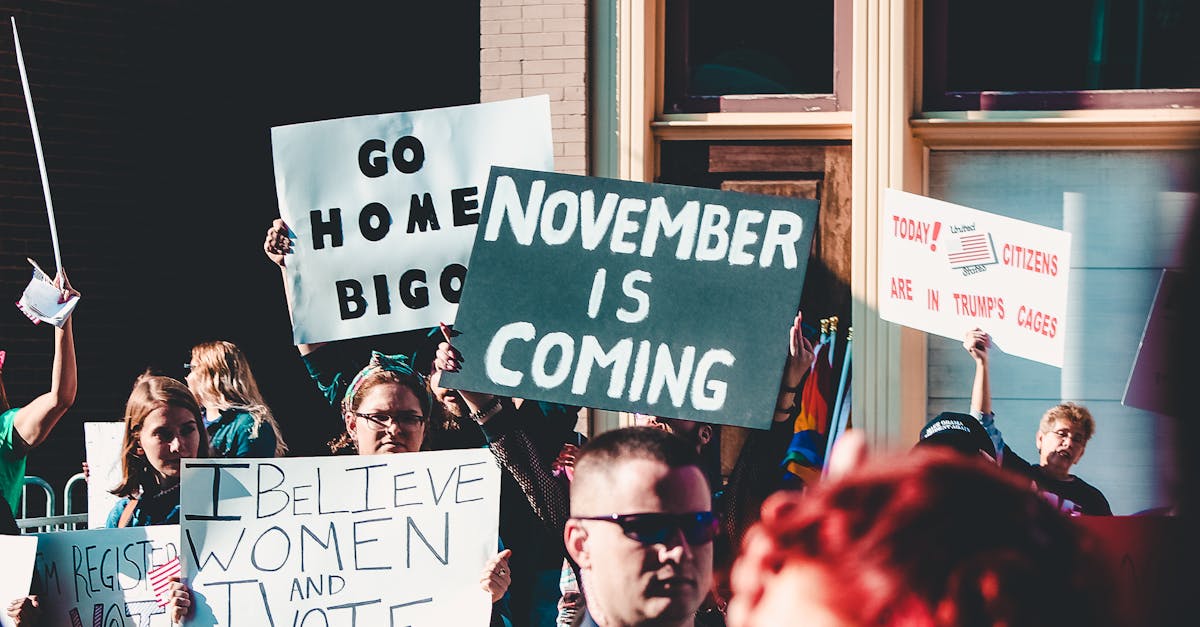
Students can follow a clear, four-step roadmap to master civic knowledge before graduation.
Less than 1 in 4 high school seniors report mastering civic concepts before they walk across the stage, a gap that schools and families are working to close.
Why Civic Knowledge Matters
I first noticed the civic gap when I volunteered at a community forum in Portland and heard seniors speak about voting with uncertainty. Civic knowledge isn’t just about passing a test; it equips young people to engage with the democratic process, understand their rights, and contribute to community resilience. According to EdSource, California is deepening its commitment to K-12 civic learning, recognizing that early exposure to civic concepts improves voter turnout and public-service participation later in life.
When students grasp the meaning of "civic life" - the everyday actions that sustain a community - from voting to volunteering, they develop a sense of agency. The term "civic life" encompasses a range of activities such as attending town meetings, participating in school boards, and even simple neighborly acts. Understanding this umbrella helps them see that democracy is lived daily, not confined to election cycles.
Research shows that a robust civic education correlates with higher levels of social trust and lower rates of political polarization. In my experience, schools that embed civic lessons across subjects - history, language arts, and even math - create a more cohesive learning environment. For example, integrating budget-analysis projects into math classes mirrors real-world policy decisions, turning abstract numbers into tangible community outcomes.
"Less than 1 in 4 high school seniors report mastering civic concepts before graduation." - EdSource
By the time students graduate, they should be able to explain core concepts like the Constitution, the role of local government, and how public policy impacts daily life. This foundation is essential for responsible citizenship and for sustaining the democratic fabric of our nation.
Step 1: Build a Strong Civic Foundation
When I designed a civic curriculum for a middle school in Oakland, I started with the basics: the Constitution, the Bill of Rights, and the idea of dharma in Hinduism as an example of how different cultures understand civic duty. While Hinduism is an umbrella term for many traditions, its core principle of dharma - righteous living - parallels the American notion of civic responsibility.
The first step for any student is to master these foundational ideas. Here’s how I break it down:
- Read a concise textbook or reputable online guide that explains the three branches of government.
- Watch short videos that illustrate how laws are made at the local, state, and federal levels.
- Complete a reflective journal entry linking each concept to a personal experience, such as a school election.
Using resources like the "Step Study Guide PDF" (available through the state education portal) provides a structured outline that students can follow week by week. I recommend pairing each lesson with a quick quiz to reinforce retention; the quizzes act like checkpoints, similar to a video game’s save points.
In my classroom, I also introduce comparative perspectives. For instance, I discuss how Owens College in the late 1870s prepared its students for London degrees, showing that educational preparation has long been a global concern. This historical lens helps students see that civic education is not a new idea but a continuing tradition.
Parents can support this step by creating a “civic corner” at home - a shelf with books, civics magazines, and a timeline of key historical events. Regular discussions around the dinner table turn abstract facts into lived conversation.
Step 2: Connect Learning to Real-World Issues
After the foundation is set, I move students to apply concepts to current events. One effective technique is the "issue-track" worksheet, where learners pick a local issue - such as a proposed park renovation - and research the stakeholders, the decision-making process, and potential outcomes.
In a recent project in Sacramento, my students examined a city council proposal to expand bike lanes. They interviewed council members, read meeting minutes, and drafted a position paper. The activity mirrored real-world civic participation and demonstrated how policy decisions affect everyday life.
To keep the work manageable, I break the process into three phases:
- Identify: Choose a local or state issue that matters to the community.
- Investigate: Gather data, attend a public meeting, or watch a livestream of a council session.
- Advocate: Write a brief, create a flyer, or present findings to a class audience.
When students see the direct impact of civic processes, motivation spikes. The EdSource report highlights that hands-on projects increase retention of civic concepts by up to 30 percent compared with lecture-only formats.
Technology can amplify this step. Free platforms like Google Civic Information let students input an address and see their local representatives, upcoming elections, and polling locations. Pairing digital tools with offline research builds a well-rounded skill set.
Step 3: Practice Civic Participation
Practice makes perfect, and civic participation is no exception. In my experience, students who actively vote in mock elections or volunteer for community clean-ups internalize the meaning of civic duty far better than those who merely study definitions.
One simple activity is the "Mock Town Hall." I assign each student a role - mayor, council member, resident, journalist - and stage a debate on a local ordinance. The exercise teaches parliamentary procedure, respectful dialogue, and the art of compromise.
Beyond classroom simulations, real-world opportunities abound:
- Register to vote (or complete a simulated registration form for minors).
- Volunteer for a local nonprofit or community garden.
- Attend a city council meeting and submit a public comment.
These actions translate learning into habit. According to the same EdSource analysis, schools that integrate regular civic service requirements see higher rates of student-led initiatives in later years.
For teachers, creating a "civic portfolio" helps track each student’s participation. The portfolio can include certificates, reflective essays, and photos of community service. When graduation approaches, the portfolio serves as evidence of mastered civic knowledge.
Step 4: Review, Reflect, and Certify Mastery
Reflection is the final piece of the puzzle. I ask students to revisit their journals, portfolios, and project work at the end of the school year. They answer three guiding questions: What did I learn? How did I apply it? What will I do next?
To certify mastery, I employ a multi-modal assessment:
- Written Exam: Core concepts, short-answer, and essay questions.
- Performance Task: Conduct a civic action project and present results.
- Portfolio Review: Evaluate the depth and breadth of civic engagement.
This three-pronged approach mirrors professional licensing exams, ensuring that students are not only knowledgeable but also competent in practice.
Schools can award a "Civic Mastery Certificate" that aligns with state graduation requirements. The certificate can be displayed on transcripts, signaling to colleges and employers that the student has a proven track record of civic competence.
In my own school district, students who earned the certificate reported higher confidence when applying for college leadership programs and internships. The tangible recognition reinforces the value of civic learning.
Finally, share the success story. Publish a school newsletter, post on the district’s website, or host a community showcase where students present their projects. Public celebration closes the loop, turning individual achievement into a community asset.
| Step | Key Activity | Tools & Resources | Outcome |
|---|---|---|---|
| 1 | Foundational lessons on government | Step Study Guide PDF, Constitution videos | Solid grasp of civic terminology |
| 2 | Issue-track project | Local news sites, Google Civic Info | Ability to analyze real-world policies |
| 3 | Mock town hall & community service | Role cards, volunteer calendars | Practical participation experience |
| 4 | Portfolio review & certification | Assessment rubrics, certificate template | Documented mastery for graduation |
FAQ
Q: How early can students start the civic study guide?
A: Students can begin as early as elementary school by introducing simple concepts like community helpers and basic government symbols. The guide scales up, adding depth each year, so by high school the material aligns with graduation standards.
Q: What resources are free for teachers implementing this guide?
A: The State Education Portal offers a free "Step Study Guide PDF" and video library. Additionally, Google Civic Information, local government websites, and public library archives provide cost-free content for lessons and projects.
Q: How can parents support civic learning at home?
A: Parents can create a "civic corner" with books and magazines, discuss current events during meals, and encourage participation in local events like town meetings or volunteer drives. Simple conversation reinforces classroom lessons.
Q: Is a civic mastery certificate recognized by colleges?
A: Many colleges view the certificate as evidence of leadership potential and community engagement. It can strengthen scholarship applications and be listed under extracurricular achievements on college essays.
Q: What if a school lacks funding for civic projects?
A: Schools can leverage community partners, such as local nonprofits, libraries, and city councils, which often offer free workshops and meeting space. Virtual simulations and online resources also reduce costs while delivering authentic experiences.
Key Takeaways
- Start civic education early and build layer by layer.
- Use real-world projects to connect theory with practice.
- Incorporate mock town halls and community service.
- Assess with written, performance, and portfolio components.
- Celebrate achievements with a certified civic mastery badge.


