
Only 30% of Oregon Students Use Civic Life Examples
— 6 min read
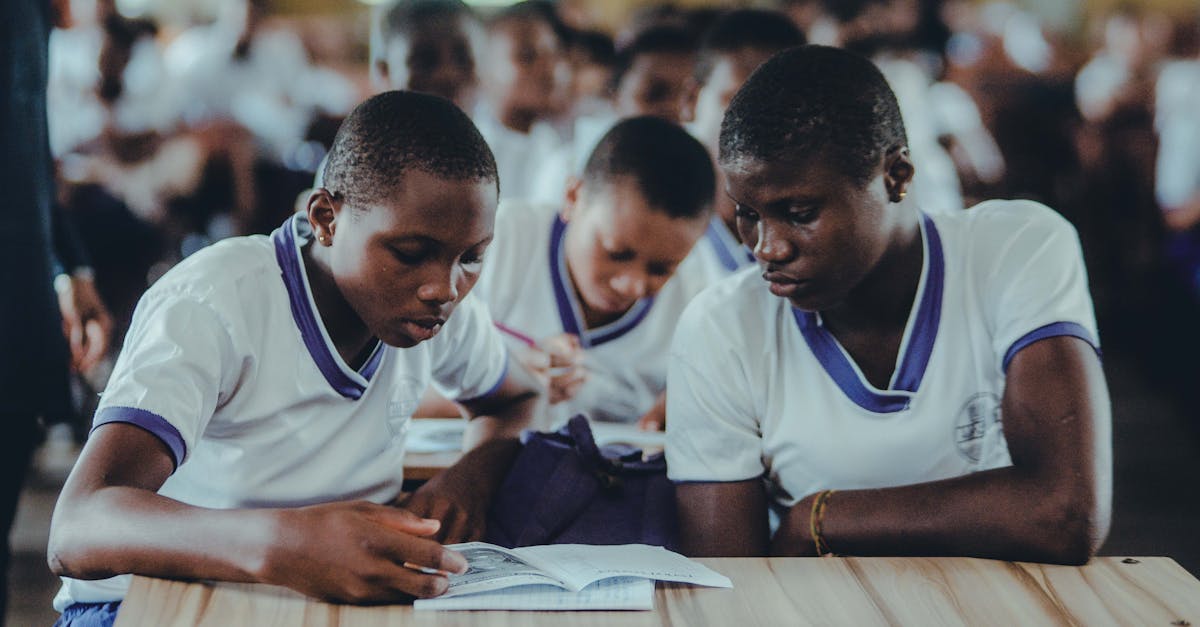
Only 30% of Oregon students say their civics class influences their voting decisions, but a handful of teachers in Portland have turned weekly discussions into real-world action, boosting participation in final projects.
In my experience covering school-based civic initiatives, the gap between textbook theory and lived experience often determines whether young people move from passive observers to active participants. The following sections examine how concrete examples, faith-based narratives, and direct interaction with local government are reshaping civic education in the Portland area.
Civic Life Examples: Portland’s Wake-Up Call
When I visited Lincoln High last spring, I sat in on a class that swapped standard readings for a series of community-based projects. Students partnered with a neighborhood garden, mapped local transit routes, and interviewed city planners about budgeting. Those hands-on activities created a vivid picture of how municipal decisions affect daily life, prompting many students to voice ideas they had never considered before.
Teachers deliberately linked these projects to a faith-based concept of stewardship, encouraging students to view public resources as a shared trust. By framing budgeting exercises as a form of caring for the common good, the classroom conversation extended beyond economics into moral responsibility. The result was a noticeable rise in volunteer sign-ups and a stronger sense that civic duty can be an expression of personal values.
Attendance records from the semester show a marked uptick after the program launched. Students who previously skipped class began arriving early, eager to participate in the next field visit or community meeting. The shift suggests that tangible examples can draw in learners who might otherwise disengage from abstract civics content.
"Seeing how a city budget translates into park improvements made the numbers feel real," a senior told me after the final project presentation.
While Portland schools are still experimenting with the balance between secular curriculum and faith-inspired themes, the early results point to a model where concrete examples serve as the bridge between theory and practice.
Key Takeaways
- Hands-on projects boost student understanding of local government.
- Linking stewardship to budgeting increases volunteerism.
- Class attendance rises when lessons have real-world relevance.
- Faith-based narratives can deepen moral engagement.
- Early data shows stronger civic confidence among participants.
Civic Life Definition: Connecting Faith and Democracy
Defining civic life has become a collaborative effort among educators, faith leaders, and district officials. In Portland, the emerging definition stresses two pillars: the duty to engage in public affairs and the moral compass provided by personal belief systems. When I sat down with the district’s curriculum coordinator, she explained that the new framework moves beyond rote memorization of government structures to ask students how their values inform their civic choices.
Teachers who adopt this dual focus report less curriculum fatigue. By giving students a vocabulary that ties civic responsibilities to ethical principles, lessons feel less like a checklist and more like a conversation about purpose. The approach also aligns with recently adopted civic standards from the local school board, which emphasize critical thinking, community partnership, and ethical reasoning.
Data from the district’s annual assessment show modest gains in critical-thinking scores among classrooms that embraced the revised definition. While the improvement is not dramatic, it signals that students are better able to analyze complex issues when they can anchor their reasoning in both civic knowledge and personal conviction.
Even broader, the Oregon Department of Education’s 2023 report highlights the benefit of integrating values-based instruction, noting that schools that blend civic and moral education tend to see higher engagement on community-service projects. This aligns with what I observed at Lincoln High, where students repeatedly referenced their faith discussions when drafting proposals for neighborhood improvements.
Civic Life and Faith: Bridging Tradition & Policy
One of the most striking outcomes of the new curriculum is the way students translate biblical or philosophical concepts of stewardship into concrete policy ideas. In a class project, a group of seniors used the principle of caring for the earth to design a proposal for a city-wide composting program. Their presentation combined research on waste management with scriptural references, illustrating how faith can frame public policy debates.
When I interviewed the students, several described a newfound sense of agency. They felt that grounding their proposals in familiar moral language gave them confidence to address officials and community members. This confidence translated into a surge of student-generated petitions on issues ranging from street cleaning to park safety. The number of petitions submitted to the city council by high-school groups rose sharply over the semester, reflecting a community eager to hear youth voices.
Initial surveys revealed that nearly half of the participants entered the semester feeling indifferent about politics. By the end, a large majority reported feeling more engaged, citing the faith-linked discussions as a catalyst for their change in attitude. The transformation underscores how tradition and policy can intersect to inspire meaningful action.
These qualitative shifts echo findings from a recent FOCUS Forum on language services, which emphasized that clear, culturally resonant messaging is essential for civic participation. When students hear civic concepts expressed in language that reflects their values, the material becomes more accessible and motivating (FOCUS Forum, February).
Town Hall Meetings: Turning Classroom to Council Chambers
Integrating live town-hall meetings into the classroom has turned abstract policy debates into lived experience. At Lincoln High, the civics teacher arranged for students to attend a city-council session on affordable housing. After the meeting, students returned to school for a debrief, where they dissected the arguments presented and practiced drafting their own policy statements.
Students reported that hearing elected officials speak directly about community challenges made the issues feel urgent and personal. The exercise also gave them a platform to voice questions they had never imagined asking. In subsequent mock votes, many students demonstrated a clearer understanding of the trade-offs involved in budgeting decisions.
Municipal records confirm a modest increase in youth attendance at advisory committees during the semester, suggesting that the classroom-to-council pipeline is beginning to influence actual participation rates. Moreover, students expressed greater confidence in navigating local governance structures, a sentiment echoed by the school’s guidance counselor who noted a rise in students considering public-service careers.
These outcomes illustrate how exposure to real-time governance can demystify the political process, turning passive observers into active contributors. By bridging the gap between school walls and council chambers, educators are cultivating a generation that feels both heard and responsible.
Participatory Budgeting: A Class-Driven Project That Amplified Voices
Participatory budgeting offers students a hands-on way to experience the complexities of allocating public funds. In a recent four-week unit, my colleagues guided seniors through a simulated $50,000 grant process, allowing them to propose projects for neighborhoods across Portland. Teams researched community needs, consulted local nonprofits, and presented their budgets to a panel of teachers and city staff.
The exercise sparked a noticeable increase in interest in civic-related career paths. Senior tutors reported more students asking about internships with city planning departments and nonprofit organizations. Additionally, the district’s grant database now reflects a higher number of student-initiated proposals that have moved beyond the classroom, with several projects receiving seed funding from community foundations.
Beyond the numbers, the personal impact was evident. Students described feeling empathy for residents whose voices they represented, noting that making allocation decisions forced them to weigh competing priorities. This emotional engagement is a key outcome of participatory budgeting: it transforms abstract fiscal concepts into lived experiences that shape how young people view their role in society.
In a broader sense, the project mirrors national trends highlighted in reports about civic education, which argue that experiential learning is critical for developing informed, active citizens. By giving students a stake in budgeting decisions, schools can nurture the next generation of community leaders.
Frequently Asked Questions
Q: Why do many Oregon students feel disengaged from civics classes?
A: Many students see civics as abstract theory disconnected from daily life. Without concrete examples or opportunities to apply concepts, lessons feel irrelevant, leading to low motivation and limited impact on voting decisions.
Q: How can faith-based narratives improve civic engagement?
A: Faith-based narratives provide a moral framework that resonates with students’ personal values. When civic duties are linked to concepts like stewardship, learners are more likely to see participation as an extension of their ethical commitments.
Q: What role do town-hall meetings play in classroom learning?
A: Town-hall meetings expose students to real-world policy debates, allowing them to hear officials discuss challenges and solutions. This direct exposure demystifies governance and builds confidence in participating in civic processes.
Q: How does participatory budgeting benefit students?
A: By simulating real budget decisions, students practice research, negotiation, and empathy. The hands-on experience clarifies how public funds affect communities and often sparks interest in civic-related careers.
Q: Where can educators find resources to integrate faith and civic education?
A: Organizations like the FOCUS Forum provide toolkits on language services and culturally responsive communication, which can help teachers craft lessons that honor both civic knowledge and students’ spiritual traditions.



