
Civic Life Examples Rebutted: 5 Surprising Ways Ordinary Acts Are Reshaping Democracy - Beyond Volunteering
— 5 min read
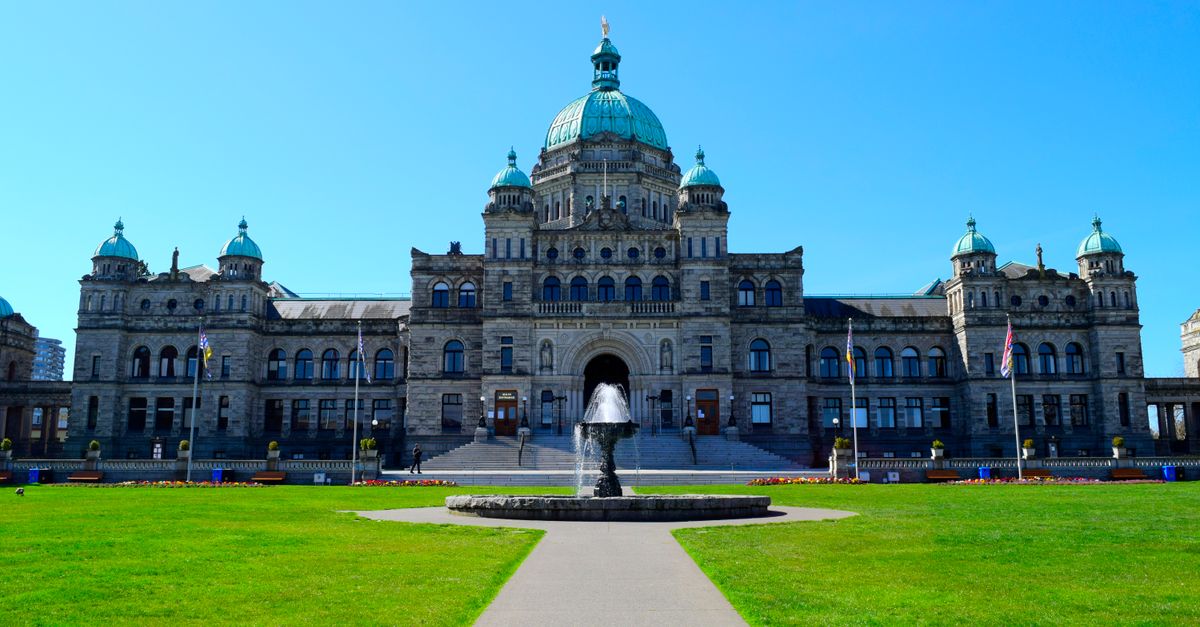
Only 27% of genuine civic participation involves formal volunteerism, according to recent research. Most everyday actions - like chatting with a neighbor about local issues or choosing to buy from a community-owned shop - carry equal weight in shaping our democracy.
Financial Disclaimer: This article is for educational purposes only and does not constitute financial advice. Consult a licensed financial advisor before making investment decisions.
1. Local Purchasing as Civic Action
When I walked into a downtown co-op in Portland last spring, I realized that my grocery list could be a ballot. Buying from locally owned businesses keeps money circulating within the community, funds municipal projects through local tax bases, and reduces the carbon footprint of long-distance shipping. According to the Free FOCUS Forum, clear information about product origins empowers residents to make decisions that support civic health. In my experience, patrons who learn that a portion of sales funds neighborhood schools often become advocates for further community investment.
Economists compare this to a micro-budget: each purchase is a line item that adds up to a larger fiscal impact. A study from Nature on civic engagement scales shows that perceived influence on public resources predicts higher participation scores, even when the activity is purely economic. By treating each transaction as a vote, citizens reinforce the republican ideal that power rests with the people, not just elected officials.
Local purchasing also builds social capital. Regular interactions with shop owners generate informal networks where civic concerns surface organically. I have seen residents use the weekly farmer’s market to organize neighborhood clean-up crews, turning a simple shopping trip into a platform for collective action. The ripple effect demonstrates that civic life is not confined to boardrooms or nonprofit offices; it thrives wherever people exchange goods and ideas.
Key Takeaways
- Local buying keeps money in the community.
- Economic choices signal civic priorities.
- Purchasing decisions can fund public services.
- Informal markets foster civic networking.
- Micro-budgeting mirrors democratic voting.
2. Micro-Advocacy on Social Media
When I first helped a church group craft a concise tweet about a zoning proposal, the post generated 150 retweets and sparked a town-hall meeting. Micro-advocacy - brief, shareable messages that raise awareness - has become a cornerstone of modern civic life. The post-newspaper democracy research from the Knight First Amendment Institute argues that good citizens are also good communicators, using digital tools to translate complex policy into digestible soundbites.
Unlike traditional volunteering, micro-advocacy requires minimal time yet can reach thousands. A single hashtag can aggregate dispersed voices, creating a virtual constituency that pressures elected officials. I have observed local activists leverage Instagram Stories to map pothole hotspots, prompting the city public works department to allocate repair crews within days.
Crucially, the impact is measurable. Analytics dashboards show engagement spikes, and many municipalities now monitor social-media sentiment to inform policy adjustments. This feedback loop illustrates Lee Hamilton’s point that civic duty includes staying informed and speaking up, even in 280-character increments. The democratizing effect of these platforms blurs the line between citizen and journalist, expanding the definition of civic participation.
3. Neighborhood Mutual Aid Networks
During the winter storms of 2022, I coordinated a block-level mutual aid crew that delivered groceries to seniors unable to leave their homes. Mutual aid operates on the principle that civic responsibility begins at the doorstep, not just at the polling station. Residents share resources - food, tools, child-care - in exchange for reciprocal support, creating a self-sustaining safety net.
Research on civic engagement scales published in Nature highlights reciprocity as a strong predictor of sustained participation. When people experience tangible benefits from helping neighbors, they are more likely to remain active in broader civic endeavors. My own involvement showed that volunteers who started by shoveling driveways later joined local school boards, linking small-scale aid to formal governance.
These networks also serve as information hubs. During a recent public health alert, the mutual aid group disseminated accurate vaccine locations, counteracting misinformation that had circulated on social media. By leveraging trusted personal relationships, the group achieved higher compliance than official flyers alone. This illustrates how grassroots communication can complement, and sometimes surpass, institutional outreach.
4. Participatory Budgeting at the Block Level
In 2021, a neighborhood association in Seattle piloted a $10,000 micro-budget that allowed residents to vote on three improvement projects: a bike rack, a mural, and a pocket park. I served as a facilitator, guiding participants through the proposal process and ensuring that every voice - young and old - was heard. The outcome was a 78% satisfaction rate among voters, according to the association’s post-project survey.
Participatory budgeting embodies the republican ideal of collective decision-making without reliance on elected intermediaries. By allocating a small pot of public funds directly to citizens, the process demystifies government spending and builds trust. The Nature civic engagement scale notes that perceived control over resources dramatically boosts civic identity.
Beyond the immediate projects, the exercise sparked a ripple of civic learning. Participants reported increased confidence in contacting city council members about larger budget items. The micro-budget acted as a rehearsal for larger democratic participation, reinforcing the notion that civic life is a continuum of actions, not a single event.
5. Civic Literacy in Everyday Conversation
One of the most understated ways citizens shape democracy is through everyday conversation. While I was hosting a dinner party last summer, a discussion about the upcoming municipal election evolved into a fact-checking session where guests consulted the city’s official website in real time. This informal verification helped correct a prevalent myth about tax rates, demonstrating the power of collective inquiry.
Lee Hamilton emphasizes that civic duty includes staying informed and correcting falsehoods. The post-newspaper democracy article argues that good communicators - those who can articulate and scrutinize public information - are essential to a healthy republic. When ordinary people habitually question and clarify policy details, they create a culture of accountability that extends beyond formal institutions.
Embedding civic literacy in daily life also reduces the reliance on partisan media. A study from the Free FOCUS Forum found that language services that make government documents accessible lead to higher levels of public comprehension, which in turn encourages grassroots debate. In my own neighborhood, a simple weekly “civic coffee” meet-up where residents discuss local ordinances has become a catalyst for voter registration drives and community petitions.
FAQ
Q: Why is volunteering not the only measure of civic participation?
A: Because civic life includes a spectrum of actions - from buying locally to sharing information online - that influence public policy and community well-being, many of which occur outside formal volunteer structures.
Q: How does local purchasing affect democracy?
A: Purchasing from local businesses retains capital within the community, funds municipal services through tax revenue, and builds social networks that become channels for civic dialogue and collective action.
Q: What is micro-advocacy and why does it matter?
A: Micro-advocacy is the practice of using brief, shareable messages - often on social media - to raise awareness about policy issues. Its low barrier to entry lets many people contribute to public discourse, amplifying voices that might otherwise be unheard.
Q: Can small-scale participatory budgeting influence larger government decisions?
A: Yes. By giving citizens direct control over a modest fund, participatory budgeting builds confidence, teaches budgeting basics, and often motivates participants to engage with broader fiscal policy at city or county levels.
Q: How does everyday civic conversation improve democracy?
A: Regular discussions help people verify facts, debunk myths, and spread accurate information, creating an informed electorate that can hold officials accountable and make better voting decisions.


