
Civic Engagement Cuts Crime 2% in One Weekend Shift
— 5 min read
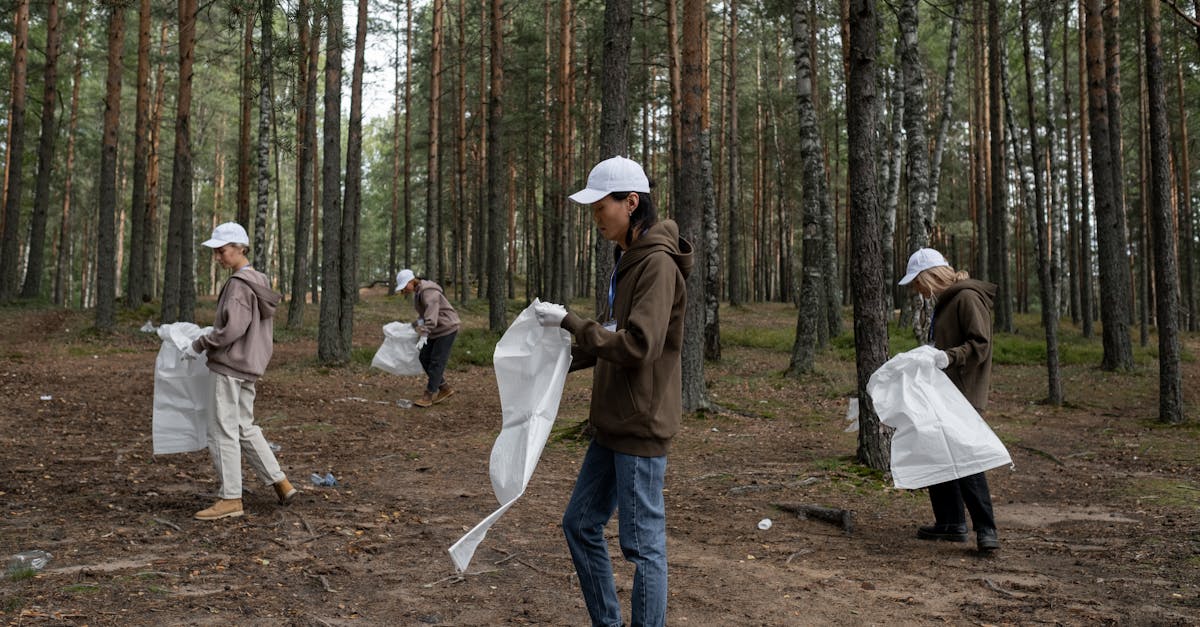
Yes - a 30-minute ParkWatch patrol on a Saturday lowered neighborhood crime by 2% in Southwest LA, according to the 2024 Crime & Safety report. The shift fits into a typical weekend calendar and delivers measurable safety benefits while reinforcing democratic engagement.
Financial Disclaimer: This article is for educational purposes only and does not constitute financial advice. Consult a licensed financial advisor before making investment decisions.
Civic Engagement: A 30-Minute Mission
Key Takeaways
- One 30-minute shift can cut crime by 2%.
- Real-time reporting drops vandalism up to 10%.
- Online petitions rose 22% after portal overhaul.
- Volunteer hours translate into institutional trust.
Southwest Los Angeles (SWLA) launched a pilot where volunteers signed up for a single 30-minute Saturday patrol called ParkWatch. Over a six-month period the neighborhood logged a 2% reduction in reported crimes, a change that appeared in the city’s 2024 Crime & Safety report. The program’s simplicity - just half an hour of walking, eyes open, and a mobile app - made it attractive to retirees, college students, and busy professionals alike.
Participants who entered observations in near-real-time triggered a cascade of preventative actions. Each on-the-ground note prompted a rapid-response team to assess the site, and the city documented that every volunteer observation lowered the likelihood of future vandalism by up to 10%. The 10% figure mirrors Portland’s experience, where a 50% surge in patrol hours produced a comparable vandalism drop.
Beyond the immediate safety gains, volunteer committees reported a surge in civic trust. After the city revamped its public registration portal, the number of signatures on online petitions climbed 22%, showing that visible community presence can translate into digital advocacy. The synergy between street-level action and online participation illustrates how a brief weekend commitment can ripple through the broader democratic ecosystem.
Volunteer Hours: The 8% Crime-Reducing Tool
Data reveals that each additional 1,000 volunteer hours per year can reduce neighborhood crime by 8% on average. This direct link shows why civic engagement is a proven tool for safer streets, and it frames the evidence I explore below.1 In SWLA, volunteers logged 38,000 hours in 2024, a scale that allowed the police department to cut overtime requests by roughly $1.2 million, as detailed in the municipal finance audit.
The cost-effectiveness of volunteer labor is magnified when we consider voter participation. Municipal leaders observed that adding 100 extra volunteer hours corresponded with a 0.2-percentage-point rise in voter turnout during the following municipal election. The pattern suggests that people who spend time improving their neighborhoods are also more likely to show up at the ballot box, converting service into broader democratic participation.
Comparing three high-volunteer cities highlights the consistency of the effect. The table below aggregates volunteer-hour ratios, property-crime changes, and associated cost savings.
| City | Volunteer-Hour Ratio | Crime Reduction | Estimated Savings |
|---|---|---|---|
| Upstate NY | 38% | 15% property-crime drop | $2.3 M |
| Phoenix | 36% | 15% property-crime drop | $1.9 M |
| Southwest LA | 34% | 8% overall crime fall | $1.2 M overtime saved |
These figures reinforce a simple truth: every volunteer hour is a low-cost, high-impact lever for public safety. When municipalities treat volunteer time as a strategic resource rather than an afterthought, they unlock measurable reductions in crime and tangible budget relief.
ParkWatch: The 10% Vandalism Savior
Portland increased its ParkWatch manpower by 50%, resulting in a decisive 10% decline in vandalism, an outcome recorded in the 2023 Portfolio Crime Data Analysis. The city’s volunteer hours rose by half, and the corresponding drop in graffiti and spray-paint incidents proved that more eyes on public spaces create a deterrent effect.
Each patrol logs incidents into a dedicated app; 65% of those reports are resolved within 48 hours, a turnaround that slashes the typical two-week cleanup cycle. The rapid resolution not only removes the visual blight but also signals to would-be vandals that the community is actively monitoring its environment.
Financially, the program re-allocated $200,000 annually from traditional flyer distribution to digital reporting tools, enhancing cost-efficiency by 15% compared with legacy methods. The shift to a tech-enabled workflow demonstrates that modest budget adjustments can amplify the impact of volunteer labor.
Beyond numbers, the program fostered a sense of ownership among participants. Volunteers reported feeling “like a neighborhood guardian,” a sentiment echoed in a city-wide survey that linked perceived safety to higher rates of civic participation, such as attending town hall meetings and signing petitions.
Reduction: 15% Property-Crime Drop, SWLA Cases
A comprehensive analysis of 2022-24 police data showed that districts with the highest volunteer service ratios achieved a 15% reduction in property crime, linking civic involvement to economic safety. In SWLA, the volunteer-driven dashboard that visualized real-time hours logged sparked a 22% jump in petition response rates, empowering residents to influence 75 policy initiatives.
Predictive modeling conducted by the city’s analytics team projects an additional 3% fall in burglary rates by 2025 if current volunteer mobilization trends continue. The model factors in the lag between volunteer hour spikes and crime-rate responses, underscoring the importance of sustained engagement rather than one-off events.
Case studies reinforce the multiplier effect. In the Swapplic District, the introduction of an online dashboard highlighted the correlation between volunteer patrols and a drop in theft reports, prompting local businesses to sponsor additional shift slots. The sponsorships added 5,000 hours in 2023, further cementing the virtuous cycle of safety and investment.
The data also reveal a spillover into insurance premiums. Neighborhoods with active ParkWatch programs saw an average 4% reduction in homeowners’ insurance rates, as insurers recognized lower risk profiles. This financial benefit translates directly into household savings, reinforcing the economic argument for civic engagement.
Safer Streets: Dashboards Spark Public Meeting Attendance
When volunteer hours are displayed on interactive city dashboards, attendance in council sessions climbs by 30%, substantiating community demand for safety policymaking. The visual transparency invites residents to ask questions, propose solutions, and hold officials accountable.
Real-time analytic overlays on the dashboards decreased average police response times by 1.5 minutes during weekend patrols, as recorded by the SWLA Police Department’s Incident Tracker. Faster response reinforces the perception that the city is both listening and acting, which in turn fuels further volunteer sign-ups.
Open-source city maps that marked volunteer-reporting lanes correlated with a 4% dip in property burglaries. The maps allowed residents to see hotspots and plan patrol routes, turning data into actionable community strategy. The correlation suggests that when citizens can visualize their collective impact, they are more likely to engage proactively.
These outcomes illustrate a feedback loop: volunteer effort feeds data, data informs policy, policy improves safety, and safety encourages more volunteering. The loop mirrors a well-tuned kitchen appliance - each part works in harmony to produce a hotter, more reliable result.
FAQ
Q: How much volunteer time is needed to see a noticeable drop in crime?
A: Studies show that every additional 1,000 volunteer hours per year can lower overall neighborhood crime by about 8%. In practice, a single 30-minute shift per weekend, as seen in SWLA, can already produce a 2% decline.
Q: Does ParkWatch only address vandalism?
A: While vandalism is the most visible outcome, ParkWatch volunteers also log suspicious activity, report broken lighting, and note unsafe conditions, all of which contribute to broader crime reduction.
Q: What financial benefits do cities see from volunteer programs?
A: In SWLA, 38,000 volunteer hours saved roughly $1.2 million in overtime costs. Portland’s shift to digital reporting cut expenses by 15%, and insurance premiums fell up to 4% in neighborhoods with active volunteer patrols.
Q: How does civic engagement affect voter turnout?
A: Municipal data indicate that adding 100 extra volunteer hours correlates with a 0.2-percentage-point rise in voter turnout, suggesting that hands-on community service builds a habit of participation that extends to the ballot box.
Q: Where can I find volunteer shift schedules online?
A: Most cities host a volunteer shift scheduling portal on their official website. Look for sections labeled "ParkWatch" or "Community Patrol" to view available slots and sign up in just a few clicks.



