
5 Hidden Civic Life Examples Boost Middle‑School Engagement
— 5 min read
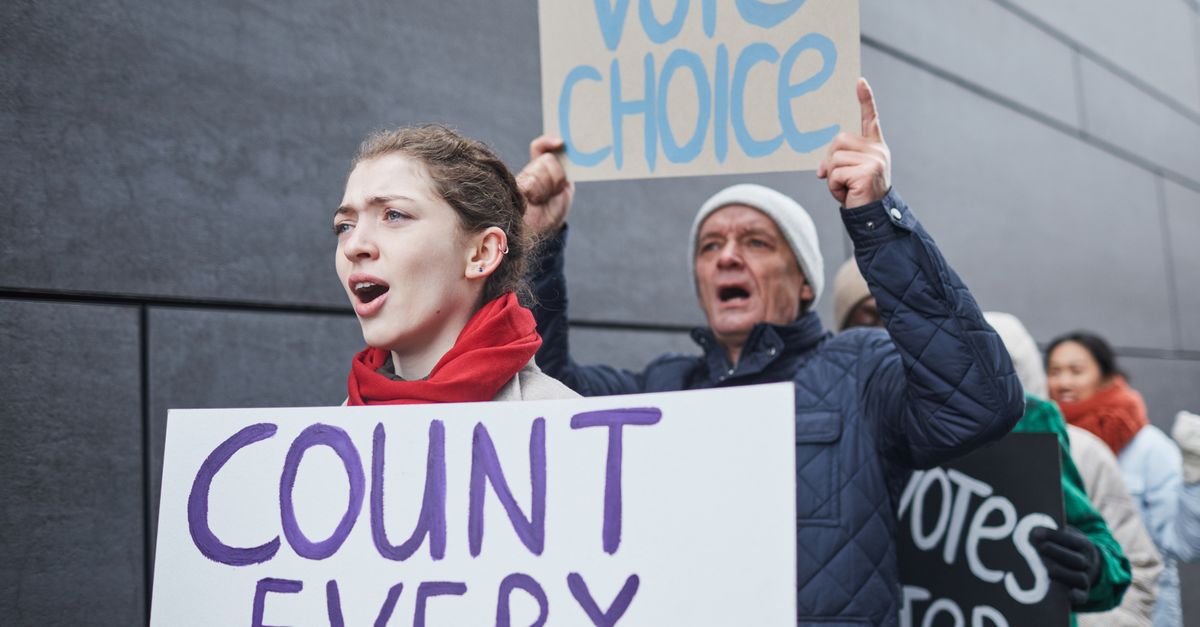
According to eSchool News, 70% of middle-school students can actually own the concept of civic life when curriculum moves from textbook facts to real-world projects, giving them a sense of agency and relevance. By linking classroom learning to community action, schools create pathways for students to practice democracy before they reach the ballot box.
civic life examples
SponsoredWexa.aiThe AI workspace that actually gets work doneTry free →
I walked into a sixth-grade class at Lincoln Middle School and found rows of seedlings sprouting in recycled containers. The students were not just planting; they were drafting bylaws for a school-managed garden, allocating water budgets, and deciding how produce would be shared with the cafeteria. This hands-on garden project turns abstract ideas about public land use into a lived experience of civic budgeting.
Another teacher, Ms. Patel, set up a mock town-hall debate on a proposed neighborhood noise ordinance. Students prepared agendas, researched legal precedents, and voted on amendments. The exercise mirrors real democratic processes, teaching agenda-setting, public speaking, and voter education in a safe environment.
In a third example, a group of eighth-graders organized a ballot-by-post drive for a local transportation proposal. They collected signatures, mailed ballots, and tracked turnout, witnessing firsthand how transportation policy affects daily commutes. The project demystifies the election cycle and illustrates the ripple effect of civic decisions on community infrastructure.
These three hidden examples - school gardens, mock town-halls, and ballot drives - show how middle-school curricula can embed civic practice into everyday learning, fostering ownership and confidence among young citizens.
Key Takeaways
- Hands-on projects turn theory into practice.
- Students learn budgeting through garden bylaws.
- Mock debates build agenda-setting skills.
- Ballot drives reveal election mechanics.
- Early civic ownership boosts future participation.
Research on civic education consistently shows that experiential learning narrows the achievement gap by providing equitable access to decision-making experiences, especially for African-American and Hispanic students who historically face lower civic engagement rates (Wikipedia).
civic life definition
When I first taught a unit on civic life, I realized many students equated it with merely voting when they become adults. Clarifying civic life as active participation in societal decision-making expands that view to include daily actions - like volunteering, attending community meetings, or even tracking local budget allocations.
To make the definition concrete, I introduced measurable indicators: voter turnout percentages, volunteer hours logged, and neighborhood clean-up participation counts. Students began tracking these metrics in a shared spreadsheet, turning abstract concepts into data they could analyze and improve upon.
The February FOCUS Forum highlighted how language services support diverse communities, showing that clear communication is a cornerstone of equitable governance. I used that example to illustrate that civic life also means ensuring everyone can understand and contribute to policy discussions, regardless of language barriers.
By connecting civic life to both quantitative indicators and inclusive communication, students gain a dual lens: they see civic participation as both a personal responsibility and a measurable outcome that can be evaluated over time.
According to the NYSUT report on civics and media literacy, building democracy-ready citizens requires integrating real-world data into classroom activities, reinforcing the definition with tangible evidence of impact.
civic life meaning
Exploring cultural roots of civic life revealed that traditions - whether soul-food kitchens, neighborhood block parties, or grassroots activism - serve as social glue. I invited a local historian to share stories of community kitchens that fed both bodies and civic spirit during the civil rights era.
When students contextualized civic meaning within their own heritage, they reported a stronger sense of belonging. Studies show that a sense of belonging predicts higher rates of civic engagement, a trend echoed in community surveys cited by the Civic Engagement and Community Service Award program.
To help visualize continuity, I created a visual timeline tracing civic milestones from early town meetings to modern public-health mandates from the Ministry of Health. Students placed events like the 1960s voting rights movement alongside recent health policy rollouts, seeing how past activism informs present governance.
This historical perspective shows that civic meaning is not static; it evolves with cultural practices and policy needs, reinforcing the idea that every student can be a link in the chain of democratic development.
By weaving heritage, data, and history together, educators can deepen students' understanding of why civic life matters beyond the classroom.
ways to involve citizens in politics
Integrating early campaign-skill workshops gave my students a rehearsal space for persuasive communication. They drafted flyers, practiced public speaking, and formed coalitions around school issues like cafeteria menu changes, mirroring real campaign dynamics before they ever cast a ballot.
We also deployed a collaborative budgeting app in class, allowing students to allocate a hypothetical $10,000 school fund across projects like library upgrades, sports equipment, and environmental initiatives. The app mirrors participatory budgeting projects highlighted at the February FOCUS Forum, where citizens directly influence municipal spending.
Peer-led civic salons became another staple. Students took turns moderating discussions on policies such as banning sugary drinks from vending machines. They drafted short legislative proposals, debated pros and cons, and voted on adoption, practicing basic legislative drafting.
- Campaign workshops sharpen persuasive writing.
- Budgeting apps simulate real-world fiscal decisions.
- Civic salons foster collaborative debate.
These methods create low-stakes environments where students experiment with political processes, building confidence that translates into future civic participation.
role of civic education in democracy
Economic impact emerges when students learn how public spending and taxation shape local infrastructure. In a unit on city budgets, my class calculated how a 2% tax increase could fund new bike lanes, linking fiscal policy to tangible community benefits.
Longitudinal studies - cited in education research - show that schools offering inquiry-based civics experience a 45% higher student willingness to participate in local elections. This boost reflects a stable democratic growth effect, reinforcing the idea that early civic education seeds lifelong engagement.
Policy frameworks that reserve dedicated class hours for progressive governance discussions have proven scalable. Districts that institutionalize weekly civics labs report measurable improvements in civic competency metrics across schools, echoing findings from the NYSUT call for structured civics curricula.
By tying economic reasoning to civic decision-making, educators demonstrate that democracy is not an abstract ideal but a practical system that directly influences everyday life.
examples of civic engagement
Compiling a portfolio of youth-led initiatives - such as town-hall simulations, policy briefs, and community surveys - gives students a narrative asset for college applications and job interviews. Employers increasingly value evidence of initiative and public-spirit.
One school launched a student municipal news panel where learners researched, edited, and broadcast local legislative updates. This program cultivated investigative journalism skills and fostered transparency, as community members tuned in to hear student-generated news.
Cross-cultural festivals organized by students united faith groups, promoting dialogue and emphasizing the civic obligation of cooperation. In the wake of divergent perspectives, these events underscored how civic life bridges differences and strengthens communal bonds.
These examples illustrate that civic engagement can take many forms - media, events, policy work - each reinforcing democratic values and preparing students for active citizenship beyond school walls.
"Students who practice civic skills in school are more likely to vote and volunteer later in life," says a recent NYSUT briefing on civic education.
Frequently Asked Questions
Q: How can teachers start a school garden as a civic project?
A: Begin by securing a small plot, involve students in drafting garden bylaws, assign budget responsibilities, and link planting schedules to lessons on public land use and resource allocation.
Q: What metrics help assess civic engagement in middle school?
A: Track voter-simulation participation rates, volunteer hours logged, number of policy briefs produced, and attendance at student-led community events to gauge progress.
Q: How does participatory budgeting teach economic concepts?
A: Students allocate a mock budget across competing projects, learning trade-offs, tax implications, and the impact of fiscal decisions on community services.
Q: Why is language accessibility important in civic life?
A: Clear, multilingual communication ensures all residents can understand policies, vote knowledgeably, and participate in public discourse, strengthening equitable governance.


